
Understanding the Brain Behind How We Lead, Work, and Perform
Rewire Your Brain.
Redefine How You Lead.
Watch Dr. Khai on TEDxKew 2026





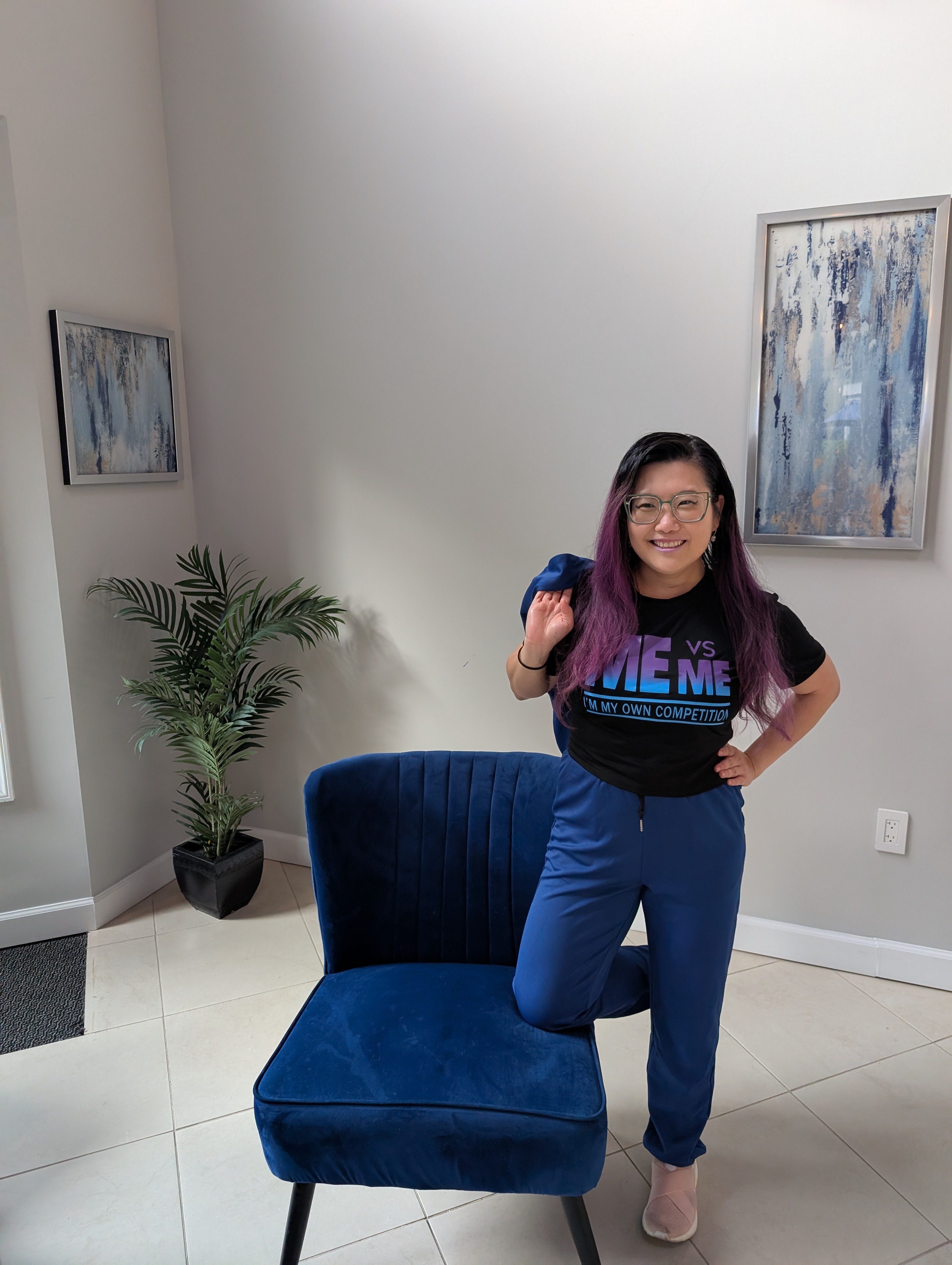
Meet Dr. Khai Win
I’m a neuroscientist by training, a data scientist by profession, and a mental fitness coach by mission.
I work with leaders and organizations navigating pressure, performance demands, and cultural strain, educating them understand how the brain shapes behavior, decision-making, and engagement at work.
My work brings neuroscience, real leadership experience, and honest conversation together to make complex human challenges clearer, more human, and more actionable.
I’m also the founder of Invisible Wins LLC, where my mission is centered on mental wellbeing, inner leadership, and helping people thrive in high-pressure environments.

Speaking Topics
The Silence Leaders Can't Afford
Self-aware leaders lead from the inside-out. Leadership gets tested when the pressure is on. The patterns we don’t notice can quietly shape how we communicate, handle conflict, make decisions, and respond to the people around us.
In this talk, we will explore how overload, low trust, and nervous-system strain cause capable people to pull back long before performance drops or resignation letters arrive.
Main Takeaways:
How to recognize personal triggers before they turn into unproductive behavior
How to create a pause between pressure and response so they can lead with greater intention
Practical ways to strengthen self-awareness, adaptability, and confidence in difficult moments
Outcome:
More intentional responses, stronger communication, and greater confidence when navigating pressure, feedback, and difficult conversations.
Building Sustainable High Performing Teams
How Self-Awareness Shapes the Way We Lead
Sustained performance isn’t about pushing harder. It’s about creating the conditions that help the brain stay focused, adaptable, and effective under pressure.
In this talk, we will explore why focus, judgment, and decision quality decline when pressure stays high.
Main Takeaways:
How to recognize when productive pressure is becoming cognitive overload
Why recovery affects attention, problem-solving, and the ability to sustain performance
Practical brain-based shifts that protect capacity without lowering expectations
Outcome:
Clearer decisions, stronger focus, and more consistent performance without relying on constant overextension.
Turn Workplace Disconnection Into Trust and Engagement
Culture isn’t created by values written on a wall. It’s built through the everyday experiences that tell people whether it is safe to speak, contribute, ask for help, and bring their best thinking forward. Culture that drives engagement builds trust, contribution, & connection.
In this talk, we will dive into why capable people can disengage long before their performance visibly declines.
Main Takeaways:
How everyday interactions influence trust, psychological safety, and willingness to contribute
How recognition, communication, and feeling heard affect engagement
Practical leadership behaviors that encourage people to speak up, share ideas, and stay connected to the work
Outcome:
Stronger trust, more open communication, and greater participation from the people doing the work.

Ideal Speaker For
Leadership and performance conferences
employee engagement and workplace culture events
hr, l&D, and People & Culture initiatives
executive and manager development programs


SPEAKING
Book Dr. Khai to Speak

"When leaders understand the brain, people perform better- and stay well doing it."
Terms of Use
Privacy Policy